
Contents
- 🌱 Origins & History
- ⚙️ How It Works
- 📊 Key Facts & Numbers
- 👥 Key People & Organizations
- 🌍 Cultural Impact & Influence
- ⚡ Current State & Latest Developments
- 🤔 Controversies & Debates
- 🔮 Future Outlook & Predictions
- 💡 Practical Applications
- 📚 Related Topics & Deeper Reading
- Frequently Asked Questions
- References
- Related Topics
Overview
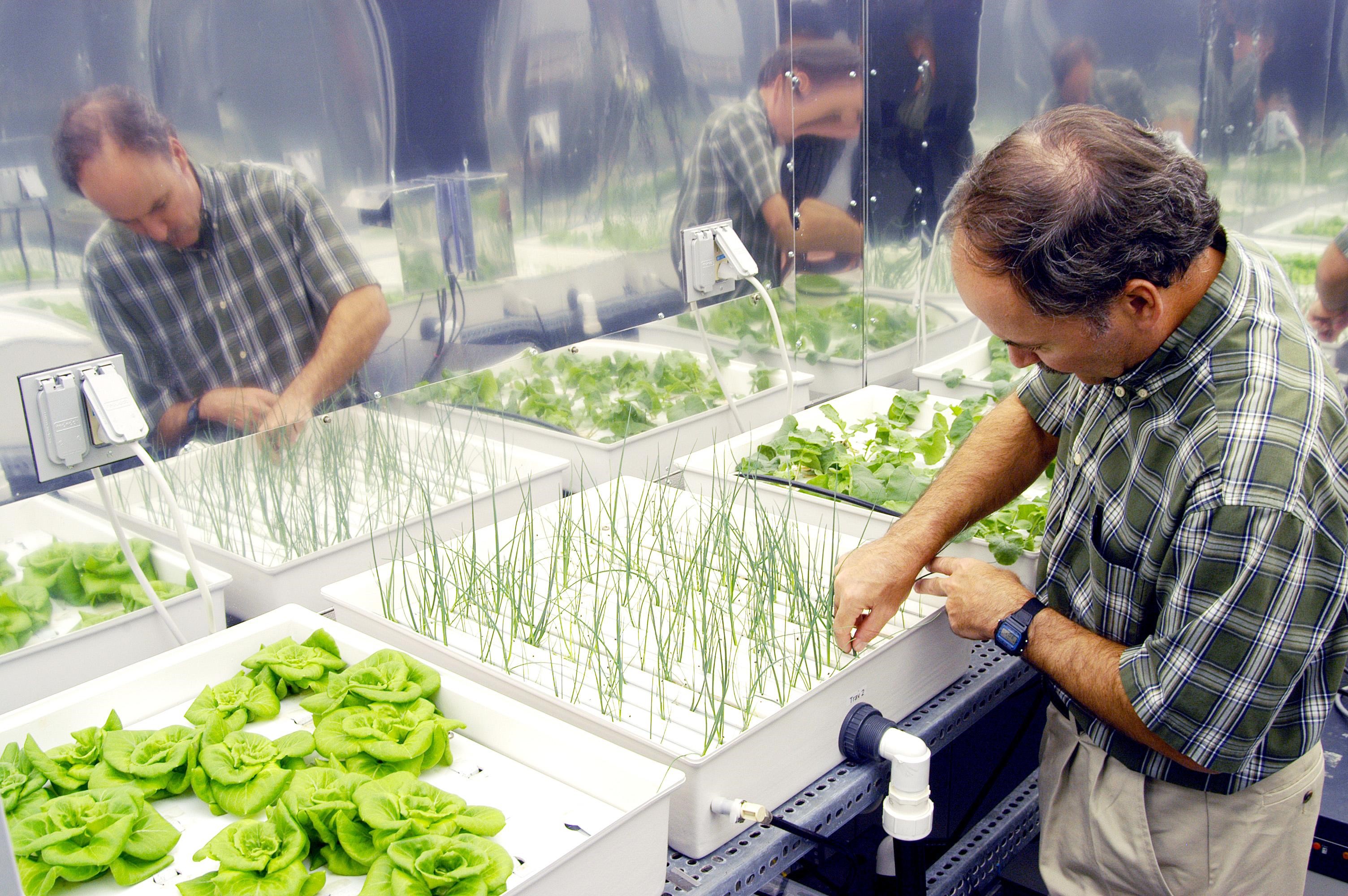
Hydroponic tanks and soil gardening are two fundamentally different approaches to growing plants. Hydroponics involves cultivating plants in a water-based nutrient solution, whereas soil gardening relies on traditional soil as the growth medium. Both methods have their own set of advantages and disadvantages, and the choice between them depends on factors such as space, resources, and the type of plants being grown. This entry will delve into the history, mechanics, and applications of both methods, as well as their environmental impact, and explore the latest developments in the field, including the use of vertical farming and urban agriculture to increase food production while minimizing land use.
🌱 Origins & History
Hydroponic systems are used by companies such as AeroFarms and Bright Agrotech to produce a wide range of crops, from leafy greens to tomatoes. In contrast, soil gardening has been the traditional method of growing plants for thousands of years, with evidence of ancient civilizations such as the Egyptians and Greeks using soil to cultivate crops. For example, the Babylonians developed sophisticated irrigation systems to support their agriculture.
⚙️ How It Works
Hydroponic systems work by providing plants with a nutrient-rich solution that is absorbed through the roots. This solution can be tailored to the specific needs of the plants, allowing for precise control over the growing conditions. In contrast, soil gardening relies on the natural nutrients present in the soil, which can be affected by factors such as pH levels and nutrient availability. Companies such as General Hydroponics and Botanicare offer a range of hydroponic systems and nutrients for growers. Additionally, LED grow lights and climate control systems can be used to optimize growing conditions.
📊 Key Facts & Numbers
The initial investment in hydroponic equipment can be higher than that of soil gardening. However, the cost of hydroponic systems can vary widely, depending on the size and complexity of the system.
👥 Key People & Organizations
Key people in the development of hydroponics include experts who have developed holistic approaches to agriculture that incorporate hydroponics. Organizations such as the Hydroponic Produce Association and the National Hydroponics Association provide resources and support for hydroponic growers. Additionally, companies such as Indoor Agriculture and Urban Crops are working on developing new hydroponic systems and technologies to increase food production while minimizing environmental impact.
🌍 Cultural Impact & Influence
Hydroponics has had a significant impact on the way we grow crops, particularly in areas where traditional soil gardening is not feasible. For example, in Dubai, hydroponics is used to grow a wide range of crops in the desert, using advanced systems such as those developed by Emirates Hydroponics. Additionally, hydroponics has been used in space exploration, with NASA using hydroponic systems to grow crops in space. This technology has also been used in vertical farming and urban agriculture to increase food production while minimizing land use.
⚡ Current State & Latest Developments
Currently, hydroponics is being used in a variety of applications, from small-scale home gardens to large-scale commercial operations. The use of LED grow lights and climate control systems has made it possible to grow crops year-round, regardless of the weather. However, there are also concerns about the environmental impact of hydroponics, particularly with regards to the use of plastic and energy in hydroponic systems. For example, the production of plastic used in hydroponic systems can contribute to pollution and climate change.
🤔 Controversies & Debates
One of the main controversies surrounding hydroponics is the use of chemical fertilizers in hydroponic systems. Some argue that these fertilizers can have negative environmental impacts, such as water pollution and soil degradation. Others argue that hydroponics is a more sustainable method of growing crops, as it can be designed to minimize environmental impact. For example, organic hydroponics uses natural and organic fertilizers to minimize environmental impact.
🔮 Future Outlook & Predictions
Looking to the future, hydroponics is likely to play an increasingly important role in the way we grow crops. Hydroponics, with its ability to produce high yields while using minimal water and land, is well-positioned to meet the need for more efficient and sustainable methods of food production. Companies such as Indoor Agriculture and Urban Crops are already working on developing new hydroponic systems and technologies to increase food production while minimizing environmental impact.
💡 Practical Applications
Hydroponics has a wide range of practical applications, from small-scale home gardens to large-scale commercial operations. For example, hydroponics can be used to grow a wide range of crops, including leafy greens, tomatoes, and cucumbers. Additionally, hydroponics can be used to grow crops in areas where traditional soil gardening is not feasible, such as in deserts or urban areas.
Key Facts
- Year
- 2020
- Origin
- Global
- Category
- education-sponsors
- Type
- concept
Frequently Asked Questions
What is hydroponics?
Hydroponics is a method of growing plants in a water-based nutrient solution, rather than in soil. This method allows for precise control over the growing conditions and can produce high yields while using minimal water and land. For example, AeroFarms uses hydroponics to grow a wide range of crops, including leafy greens and tomatoes.
What are the benefits of hydroponics?
The benefits of hydroponics include its ability to produce high yields while using minimal water and land, as well as its potential to minimize environmental impact. However, the benefits of hydroponics can vary depending on the specific system and implementation.