
Contents
Overview
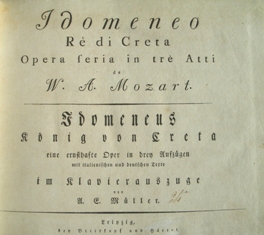
With a libretto adapted by Giambattista Varesco from a French text by Antoine Danchet, based on a play by Crébillion père, this opera weaves a complex narrative of love, duty, and sacrifice. Idomeneo was commissioned by Karl Theodor, Elector of Bavaria, for a court carnival, showcasing Mozart's mastery of the opera seria genre. This work not only reflects the cultural and artistic values of its time but also continues to influence opera and classical music to this day, with its themes and music remaining as poignant and powerful as ever. The opera's historical context, musical composition, and enduring impact make it a significant piece in the world of opera, deserving of both scholarly study and public appreciation. As a testament to Mozart's genius, Idomeneo stands as a bridge between the musical traditions of the past and the innovations of the future, embodying the essence of artistic evolution and the timeless appeal of opera.
🎵 Origins & History
The origins of Idomeneo are deeply rooted in the rich tapestry of ancient Greek mythology and the evolving musical landscape of 18th-century Europe. Commissioned by Karl Theodor, Elector of Bavaria, for a court carnival in 1780, Mozart and his librettist, Giambattista Varesco, drew inspiration from a French text by Antoine Danchet. The collaboration between Mozart and Varesco resulted in an opera that not only reflected the musical tastes of the time but also pushed the boundaries of the opera seria genre, known for its complex plots and virtuosic music.
⚙️ How It Works
Idomeneo's musical structure and dramatic narrative are characteristic of the opera seria style, with its emphasis on solo voices, complex recitatives, and choruses. The opera tells a story that explores themes of duty, love, and the human condition. The opera features a range of musical numbers, from arias and duets to choruses and orchestral pieces, each contributing to the overall dramatic and musical arc of the opera.
📊 Key Facts & Numbers
Key facts about Idomeneo include its composition by Mozart, and its libretto by Giambattista Varesco. The opera is scored for a typical Classical-era orchestra, including strings, woodwinds, brass, and percussion, with notable instrumental contributions throughout the work. Idomeneo consists of three acts, each with its own set of dramatic and musical challenges for the characters and the performers. The opera requires a cast of skilled singers, capable of navigating the complex vocal demands of their roles.
👥 Key People & Organizations
The key people involved in the creation and performance of Idomeneo include Giambattista Varesco, the librettist; and Karl Theodor, Elector of Bavaria, who commissioned the work. Other important figures in the history of Idomeneo include the singers who have performed in the opera over the years, such as Luciano Pavarotti and Plácido Domingo, and the conductors who have interpreted Mozart's score, like Herbert von Karajan and Riccardo Muti. The opera has also been the subject of scholarly study, with musicologists and historians examining its composition, performance history, and cultural significance.
🌍 Cultural Impact & Influence
Idomeneo has become a staple of the operatic repertoire, performed by companies around the world. The opera's themes of love, duty, and sacrifice continue to resonate with audiences today. The opera has been performed by notable singers and conducted by notable conductors.
⚡ Current State & Latest Developments
Currently, Idomeneo remains a popular and highly regarded opera, with productions taking place around the world. The opera's enduring appeal lies in its universal themes and music, which continue to captivate audiences and inspire new generations of singers, conductors, and opera lovers. Recent developments include new productions and interpretations of the opera, incorporating innovative staging and musical approaches while remaining true to the spirit of the original work.
🤔 Controversies & Debates
Despite its acclaim, Idomeneo has not been without its controversies and debates. One of the main discussions surrounding the opera concerns its historical context and the cultural values it represents. Another area of debate involves the opera's musical interpretation, with conductors and singers offering varying approaches to the score. These controversies and debates underscore the complexity and richness of Idomeneo, making it a work that continues to inspire discussion and reflection.
🔮 Future Outlook & Predictions
Looking to the future, Idomeneo is likely to remain a cornerstone of the operatic repertoire, with its themes and music continuing to resonate with audiences around the world. As opera companies and festivals continue to innovate and experiment with new productions and interpretations, Idomeneo will undoubtedly be part of this evolution, adapting to changing tastes and technologies while retaining its essence as a masterpiece of opera.
💡 Practical Applications
In practical terms, Idomeneo offers a wealth of opportunities for artistic expression and interpretation. For singers, the opera provides a challenging and rewarding vehicle for their talents, with its complex characters and demanding vocal roles. For conductors and orchestras, Idomeneo presents a chance to explore the opera's musical landscape, bringing the opera to life. The opera also serves as a valuable educational tool, introducing audiences to the world of opera and classical music, and providing a window into the cultural and historical context of 18th-century Europe.
Key Facts
- Category
- arts-sponsors
- Type
- topic