
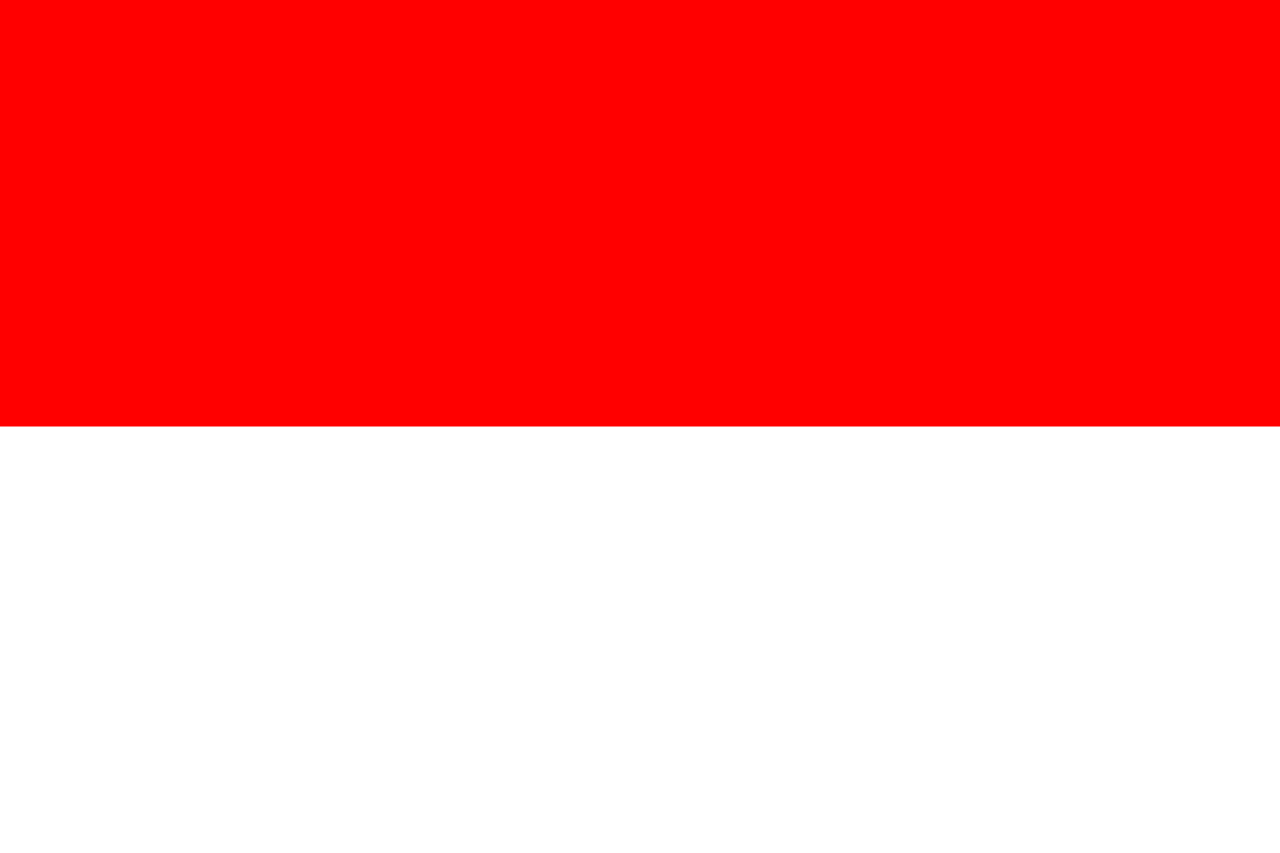
Contents
- 🌏 Introduction to Indonesia
- 🏝️ Geography and Climate
- 🌴 Island Diversity and Ecosystems
- 🌟 Cultural Heritage and Identity
- 🕊️ History and Colonial Legacy
- 👥 Ethnic and Linguistic Diversity
- 🏛️ Politics and Government
- 📈 Economic Development and Challenges
- 🌈 Tourism and Travel
- 🚨 Environmental Concerns and Conservation
- 🤝 International Relations and Global Role
- Frequently Asked Questions
- Related Topics
Overview
Indonesia, the world's fourth most populous country, is a vast and diverse archipelago of over 17,000 islands, spanning more than 3,000 miles from east to west. With a population of over 273 million people, comprising 300 ethnic groups, and more than 700 languages, Indonesia is a melting pot of cultures, traditions, and landscapes. From the bustling streets of Jakarta to the ancient temples of Borobudur, and from the rainforests of Sumatra to the beaches of Bali, Indonesia is a country of breathtaking contrasts. The country has a long and complex history, with influences from Hindu, Buddhist, Islamic, and European cultures, and has been a major player in regional and global politics. With a growing economy and a vibrant democracy, Indonesia is poised to become a major power in the 21st century. However, the country also faces significant challenges, including corruption, inequality, and environmental degradation, which threaten to undermine its progress and stability.
🌏 Introduction to Indonesia
Indonesia, officially the Republic of Indonesia, is a country in Southeast Asia and Oceania, between the Indian and Pacific oceans. Comprising over 17,000 islands, including Sumatra, Java, Sulawesi, and parts of Borneo and New Guinea, Indonesia is the world's largest archipelagic state and the 14th-largest country by area, at 1,904,569 square kilometres. With a population of over 273 million people, Indonesia is the world's fourth-most populous country, and its capital, Jakarta, is one of the most populous cities in the world. Indonesia has significant areas of wilderness that support one of the world's highest levels of biodiversity, with many unique and endemic species found nowhere else on Earth, such as the Orangutan and the Sumatran Tiger.
🏝️ Geography and Climate
Indonesia's geography is characterized by its vast archipelago, with over 17,000 islands stretching from the northern tip of Sumatra to the southern tip of Papua. The country's terrain is diverse, with volcanic mountains, rainforests, and coral reefs, and its climate is tropical, with high temperatures and high levels of humidity throughout the year. Indonesia is prone to natural disasters, such as earthquakes, volcanic eruptions, and tsunamis, due to its location on the Pacific Ring of Fire. The country shares land borders with Papua New Guinea, Timor-Leste, and Malaysia, as well as maritime borders with seven other countries, including Australia, Singapore, and the Philippines.
🌴 Island Diversity and Ecosystems
Indonesia's island diversity is one of its most distinctive features, with each island having its own unique culture, language, and ecosystem. The islands of Bali and Lombok are known for their beautiful beaches and vibrant culture, while the islands of Sumatra and Sulawesi are home to dense rainforests and exotic wildlife. The island of Java is the most populous island in Indonesia, with over 140 million people, and is home to the country's capital, Jakarta. Indonesia's ecosystems are also home to many unique and endemic species, such as the Javan Rhinoceros and the Sumatran Elephant.
🌟 Cultural Heritage and Identity
Indonesia has a rich and diverse cultural heritage, with over 300 ethnic groups and more than 700 languages spoken throughout the country. The country's cultural identity is shaped by its history, with influences from Hinduism, Buddhism, Islam, and Christianity. Indonesian culture is known for its vibrant arts, music, and dance, with traditional dances such as the Legong and the Kecak. The country is also home to many traditional festivals and celebrations, such as the Galungan and the Nyepi.
🕊️ History and Colonial Legacy
Indonesia has a complex and tumultuous history, with many different empires and kingdoms rising and falling over the centuries. The country was colonized by the Dutch in the 17th century, and gained independence in 1945. Indonesia's colonial legacy can still be seen in its architecture, language, and culture, with many Dutch-style buildings and landmarks, such as the National Monument in Jakarta. The country's history has also been shaped by its strategic location, with many different cultures and empires vying for control of the archipelago, including the Ming Dynasty and the Portuguese Empire.
👥 Ethnic and Linguistic Diversity
Indonesia is a multicultural and multilingual country, with over 300 ethnic groups and more than 700 languages spoken throughout the country. The country's ethnic diversity is reflected in its many different traditional costumes, music, and dance, with each ethnic group having its own unique culture and traditions. The country's linguistic diversity is also reflected in its many different languages, with Indonesian being the official language, and many other languages, such as Javanese and Sundanese, being spoken by different ethnic groups. Indonesia's ethnic and linguistic diversity is one of its greatest strengths, with many different cultures and traditions coming together to form a unique and vibrant national identity.
🏛️ Politics and Government
Indonesia is a democratic country, with a presidential system and a multiparty parliament. The country's government is divided into three branches, with the executive, legislative, and judicial branches each having their own powers and responsibilities. Indonesia's politics have been shaped by its history, with many different parties and ideologies vying for power, including the Golkar party and the PDI-P party. The country's government has also been influenced by its cultural and religious diversity, with many different ethnic and religious groups having their own unique perspectives and interests.
📈 Economic Development and Challenges
Indonesia is a rapidly developing country, with a growing economy and a large and growing middle class. The country's economy is driven by its natural resources, including oil, gas, and minerals, as well as its manufacturing and tourism sectors. Indonesia's economic development has been shaped by its history, with many different policies and programs aimed at promoting economic growth and reducing poverty. The country's economy has also been influenced by its cultural and social context, with many different ethnic and religious groups having their own unique perspectives and interests.
🌈 Tourism and Travel
Indonesia is a popular tourist destination, with many different attractions and activities, including beautiful beaches, vibrant culture, and exotic wildlife. The country's tourism industry is driven by its natural beauty, with many different islands and landscapes, such as Bali and Lombok, being popular destinations for tourists. Indonesia's tourism industry has also been shaped by its cultural and social context, with many different ethnic and religious groups having their own unique perspectives and interests. The country's tourism industry has been influenced by its history, with many different policies and programs aimed at promoting tourism and preserving cultural heritage.
🚨 Environmental Concerns and Conservation
Indonesia is facing many environmental challenges, including deforestation, pollution, and climate change. The country's environmental concerns are driven by its rapid economic development and population growth, with many different industries and activities, such as agriculture and mining, having a significant impact on the environment. Indonesia's environmental conservation efforts are aimed at preserving its natural beauty and biodiversity, with many different programs and initiatives, such as the Indonesian Conservation Agency, being implemented to protect the country's ecosystems and wildlife.
🤝 International Relations and Global Role
Indonesia plays an important role in regional and global affairs, with many different international relationships and partnerships. The country is a member of the Association of Southeast Asian Nations (ASEAN) and the G20, and has many different bilateral relationships with other countries, including China, Japan, and the United States. Indonesia's international relationships are driven by its strategic location and its economic and cultural significance, with many different countries and organizations seeking to engage with the country and promote cooperation and understanding.
Key Facts
- Year
- 2022
- Origin
- Southeast Asia
- Category
- Geography, Culture, Politics
- Type
- Country
Frequently Asked Questions
What is the capital of Indonesia?
The capital of Indonesia is Jakarta, which is located on the island of Java. Jakarta is the largest city in Indonesia and is home to many different cultural, economic, and political institutions. The city has a population of over 10 million people and is known for its vibrant culture, rich history, and modern architecture.
What is the official language of Indonesia?
The official language of Indonesia is Indonesian, which is spoken by over 200 million people throughout the country. Indonesian is a standardized form of the Malay language and is used as a lingua franca throughout Indonesia. Many other languages are also spoken in Indonesia, including Javanese, Sundanese, and Balinese.
What is the population of Indonesia?
The population of Indonesia is over 273 million people, making it the fourth-most populous country in the world. The country's population is diverse, with many different ethnic and linguistic groups, and is spread across over 17,000 islands. Indonesia's population is growing rapidly, with many different factors, such as urbanization and economic development, contributing to the country's demographic changes.
What is the economy of Indonesia like?
The economy of Indonesia is a rapidly developing economy, with a growing manufacturing sector, a large and growing middle class, and a significant natural resources sector. The country's economy is driven by its natural resources, including oil, gas, and minerals, as well as its manufacturing and tourism sectors. Indonesia's economy has been influenced by its cultural and social context, with many different ethnic and religious groups having their own unique perspectives and interests.
What are some of the environmental challenges facing Indonesia?
Indonesia is facing many environmental challenges, including deforestation, pollution, and climate change. The country's environmental concerns are driven by its rapid economic development and population growth, with many different industries and activities, such as agriculture and mining, having a significant impact on the environment. Indonesia's environmental conservation efforts are aimed at preserving its natural beauty and biodiversity, with many different programs and initiatives being implemented to protect the country's ecosystems and wildlife.
What is the cultural heritage of Indonesia like?
Indonesia has a rich and diverse cultural heritage, with over 300 ethnic groups and more than 700 languages spoken throughout the country. The country's cultural identity is shaped by its history, with influences from Hinduism, Buddhism, Islam, and Christianity. Indonesian culture is known for its vibrant arts, music, and dance, with traditional dances such as the Legong and the Kecak.
What are some of the tourist attractions in Indonesia?
Indonesia is a popular tourist destination, with many different attractions and activities, including beautiful beaches, vibrant culture, and exotic wildlife. The country's tourism industry is driven by its natural beauty, with many different islands and landscapes, such as Bali and Lombok, being popular destinations for tourists. Some of the most popular tourist attractions in Indonesia include the Borobudur temple, the Prambanan temple, and the Uluwatu temple.