
Contents
Overview
Pesticides are substances used to control pests, including herbicides, insecticides, nematicides, and fungicides. These chemicals or biological agents deter, incapacitate, kill, or discourage pests, increasing agricultural yields. However, their use has sparked intense debates about environmental sustainability and human health. As the global population continues to grow, the role of pesticides in ensuring food security while minimizing their negative impacts will remain a critical challenge.
🌿 Origins & History
Pesticides have a long history, dating back to ancient civilizations that used various substances to control pests. The introduction of synthetic chemicals such as DDT and organophosphates marked the beginning of the modern era of pesticide development. Today, the pesticide industry is a complex and multifaceted sector, with a wide range of products and technologies available to farmers, gardeners, and public health officials.
⚙️ How It Works
Pesticides work by interfering with the biological processes of pests, such as their nervous systems, digestive systems, or reproductive cycles. Different types of pesticides have different modes of action, and some may be more effective against certain types of pests than others. For example, insecticides may be used to control insect pests, while herbicides are used to control weeds.
📊 Key Facts & Numbers
The Centers for Disease Control and Prevention has used pesticides to control mosquito-borne diseases such as Zika and dengue fever.
👥 Key People & Organizations
Key people and organizations involved in the development and regulation of pesticides include the National Pesticide Information Center, which provides valuable resources and information on pesticide safety and use. The Organic Consumer Association has been a vocal advocate for reducing pesticide use and promoting organic farming practices.
🌍 Cultural Impact & Influence
Pesticides have had a significant cultural impact, with many people relying on them to control pests and maintain food security. However, the use of pesticides has also sparked intense debates about environmental sustainability and human health. The Environmental Working Group has developed a guide to help consumers reduce their exposure to pesticides in food and water.
⚡ Current State & Latest Developments
The current state of pesticide use is complex and multifaceted, with many different products and technologies available. The development of new pesticides, such as neonicotinoids and pyrethroids, has expanded the range of options available to farmers and gardeners.
🤔 Controversies & Debates
The National Organic Program has established standards for organic farming practices, including the use of organic pesticides. The Pesticide Action Network has been a vocal critic of pesticide use, advocating for a phase-out of hazardous pesticides and a transition to sustainable agriculture practices.
🔮 Future Outlook & Predictions
The future of pesticide use is likely to be shaped by a combination of technological innovation, regulatory frameworks, and changing consumer preferences.
💡 Practical Applications
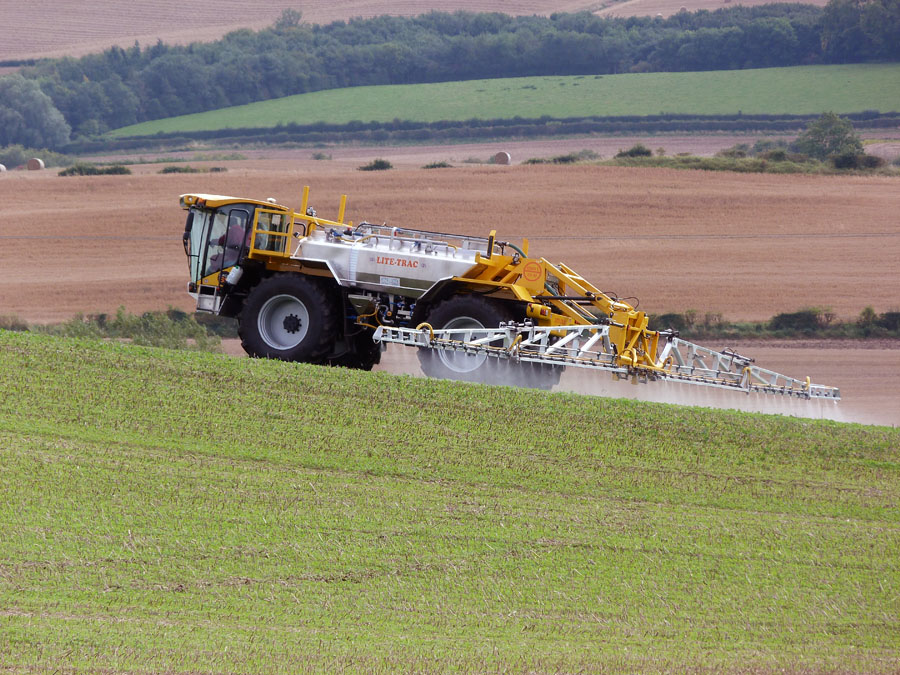
Pesticides have a wide range of practical applications, from agriculture and gardening to public health and vector control. They can be used to control pests that damage crops, spread disease, or cause nuisance.
Key Facts
- Category
- tech-sponsors
- Type
- topic