
Contents
- 🎵 Origins & History
- ⚙️ How It Works
- 📊 Key Facts & Numbers
- 👥 Key People & Organizations
- 🌍 Cultural Impact & Influence
- ⚡ Current State & Latest Developments
- 🤔 Controversies & Debates
- 🔮 Future Outlook & Predictions
- 💡 Practical Applications
- 📚 Related Topics & Deeper Reading
- Frequently Asked Questions
- References
- Related Topics
Overview
Rockabilly is a pivotal music genre that emerged in the early 1950s in the United States, particularly in the South. As one of the earliest styles of rock and roll, it uniquely blends the sounds of Western musical styles, such as country and rhythm and blues, to create what is considered 'classic' rock and roll. With its distinctive sound characterized by strong rhythms, boogie woogie piano riffs, and vocal twangs, rockabilly has influenced a wide range of artists and genres. From its inception in the 1950s to its continued popularity today, rockabilly remains a significant part of music history, with notable artists like Elvis Presley, Carl Perkins, and Johnny Cash contributing to its development. With a rich cultural heritage and enduring influence, rockabilly continues to inspire new generations of musicians and fans alike, with its impact evident in various genres, including rock and roll, country music, and blues.
🎵 Origins & History
Rockabilly's origins date back to the early 1950s in the United States, particularly in the South. The genre emerged as a blend of Western musical styles, including country, rhythm and blues, and bluegrass. Artists like Hank Williams and Lefty Frizzell were influential in shaping the sound of rockabilly, with their unique blend of country and blues styles. The term 'rockabilly' itself is a portmanteau of 'rock' (from 'rock 'n' roll') and 'hillbilly', the latter a reference to the country music that contributed strongly to the style. Other important influences on rockabilly include Western swing, boogie-woogie, jump blues, and electric blues, as seen in the work of artists like The Louvin Brothers and The Stanley Brothers.
⚙️ How It Works
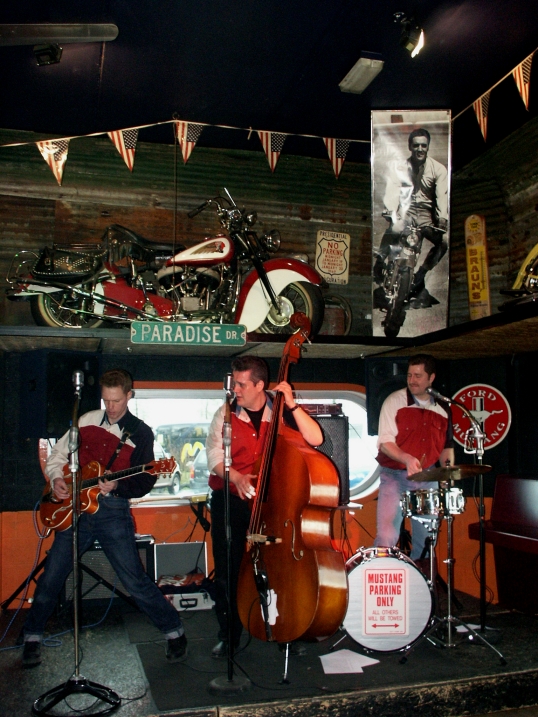
The rockabilly sound is characterized by strong rhythms, boogie woogie piano riffs, vocal twangs, and common use of the tape echo. The genre's distinctive sound was shaped by the use of instruments like the guitar, bass, and drums, as well as the incorporation of vocal harmonies. Artists like Bill Haley and Little Richard were among the first to popularize the rockabilly sound, with their energetic live performances and distinctive vocal styles. The genre's sound continued to evolve over the years, with the incorporation of new instruments and styles, such as the use of the saxophone and the influence of rock and roll.
📊 Key Facts & Numbers
Some key facts about rockabilly include its inception date of 1950, its classification as a music genre and subclass of rock and roll, and its significant influence on the development of rock and roll music. Notable artists associated with the genre include Elvis Presley, Carl Perkins, and Johnny Cash, who all contributed to the genre's popularity and enduring influence. The genre's impact can also be seen in its influence on other genres, such as country music and blues, with artists like Willie Nelson and B.B. King drawing on rockabilly's unique sound and style. With over 100 million records sold worldwide, rockabilly remains a significant part of music history, with its influence evident in various genres and styles.
👥 Key People & Organizations
Key people and organizations associated with rockabilly include Sun Records, a record label that played a significant role in the genre's development, and Sam Phillips, a producer and entrepreneur who discovered and promoted many rockabilly artists. Other notable figures include Johnny Cash, who was a major figure in the genre's development, and Carl Perkins, who was one of the first artists to achieve success with the rockabilly sound. The genre's influence can also be seen in its association with other artists and bands, such as The Rolling Stones and The Beatles, who drew on rockabilly's unique sound and style in their own music.
🌍 Cultural Impact & Influence
Rockabilly has had a significant cultural impact and influence, particularly in the 1950s and 1960s. The genre was associated with the rise of youth culture and the emergence of rock and roll as a major force in popular music. The genre's influence can also be seen in its impact on fashion, with the iconic style of rockabilly artists like Elvis Presley and Johnny Cash influencing the development of rock and roll fashion. The genre's influence extends beyond music, with its impact evident in film, literature, and art, as seen in the work of artists like Andy Warhol and Quentin Tarantino.
⚡ Current State & Latest Developments
Today, rockabilly remains a popular and influential genre, with many contemporary artists drawing on its unique sound and style. The genre's influence can be seen in various genres, including rock and roll, country music, and blues, with artists like Chris Isaak and Brian Setzer achieving success with a rockabilly sound. The genre's continued popularity is also evident in its influence on popular culture, with rockabilly-inspired fashion and music appearing in films, television shows, and commercials, such as the Stray Cats and The Brian Setzer Orchestra.
🤔 Controversies & Debates
Despite its significant influence and popularity, rockabilly has also been the subject of controversy and debate. Some have criticized the genre's association with racism and sexism, particularly in the 1950s and 1960s. Others have argued that the genre's influence on rock and roll has been overstated, with some critics suggesting that the genre's sound and style were not as innovative or influential as often claimed. However, the genre's enduring influence and popularity suggest that rockabilly remains a significant and important part of music history, with its impact evident in various genres and styles.
🔮 Future Outlook & Predictions
Looking to the future, rockabilly is likely to continue to influence and shape the music industry. The genre's unique sound and style have already inspired a new generation of musicians and fans, with many contemporary artists drawing on rockabilly's influence in their own music. The genre's continued popularity is also evident in its influence on popular culture, with rockabilly-inspired fashion and music appearing in films, television shows, and commercials. As the music industry continues to evolve, it is likely that rockabilly will remain a significant and important part of music history, with its influence evident in various genres and styles.
💡 Practical Applications
Rockabilly has many practical applications, particularly in the music industry. The genre's unique sound and style have inspired a wide range of artists and bands, from The Rolling Stones to The Beatles. The genre's influence can also be seen in its impact on fashion, with the iconic style of rockabilly artists like Elvis Presley and Johnny Cash influencing the development of rock and roll fashion. The genre's influence extends beyond music, with its impact evident in film, literature, and art, as seen in the work of artists like Andy Warhol and Quentin Tarantino.
Key Facts
- Year
- 1950
- Origin
- United States, particularly the South
- Category
- arts-sponsors
- Type
- topic
Frequently Asked Questions
What is rockabilly music?
Rockabilly is a music genre that emerged in the 1950s, characterized by strong rhythms and boogie woogie piano riffs. It is a blend of country, rhythm and blues, and bluegrass music, and is considered one of the earliest styles of rock and roll music. Notable artists associated with the genre include Elvis Presley, Johnny Cash, and Carl Perkins.
Who are some notable rockabilly artists?
Some notable rockabilly artists include Elvis Presley, Johnny Cash, and Carl Perkins. These artists were among the first to popularize the rockabilly sound, and their music has had a lasting influence on the development of rock and roll music. Other notable artists include Bill Haley and Little Richard, who also contributed to the genre's popularity and influence.
What is the significance of rockabilly in music history?
Rockabilly is significant in music history because it marked the beginning of a new era in popular music. The genre's unique sound and style influenced the development of rock and roll music, and its impact can still be heard in many contemporary genres. The genre's influence extends beyond music, with its impact evident in film, literature, and art, as seen in the work of artists like Andy Warhol and Quentin Tarantino.
How has rockabilly influenced other genres of music?
Rockabilly has influenced a wide range of genres, including rock and roll, country music, and blues. The genre's unique sound and style have inspired many artists and bands, from The Rolling Stones to The Beatles. The genre's influence can also be seen in its impact on fashion, with the iconic style of rockabilly artists like Elvis Presley and Johnny Cash influencing the development of rock and roll fashion.
What is the current state of rockabilly music?
Rockabilly remains a popular and influential genre, with many contemporary artists drawing on its unique sound and style. The genre's influence can be seen in various genres, including rock and roll, country music, and blues. The genre's continued popularity is also evident in its influence on popular culture, with rockabilly-inspired fashion and music appearing in films, television shows, and commercials.
How has rockabilly been received by critics and audiences?
Rockabilly has been widely praised by critics and audiences for its unique sound and style. The genre's influence on the development of rock and roll music has been recognized, and its impact on popular culture is still evident today. However, the genre has also been criticized for its association with racism and sexism, particularly in the 1950s and 1960s. Despite these criticisms, rockabilly remains a significant and important part of music history, with its influence evident in various genres and styles.
What are some notable rockabilly songs and albums?
Some notable rockabilly songs and albums include Elvis Presley's 'That's All Right' and Johnny Cash's 'I Walk the Line'. These songs and albums are considered classics of the genre, and their influence can still be heard in many contemporary genres. Other notable songs and albums include Carl Perkins' 'Blue Suede Shoes' and Bill Haley's 'Rock Around the Clock'.
How has rockabilly influenced fashion and style?
Rockabilly has had a significant influence on fashion and style, particularly in the 1950s and 1960s. The genre's iconic style, characterized by slicked-back hair, leather jackets, and blue jeans, has influenced the development of rock and roll fashion. The genre's influence can also be seen in its impact on popular culture, with rockabilly-inspired fashion and music appearing in films, television shows, and commercials.