
Contents
- 🌿 Origins & History
- 🍲 How It Works
- 📊 Key Facts & Numbers
- 👥 Key People & Organizations
- 🌍 Cultural Impact & Influence
- ⚡ Current State & Latest Developments
- 🤔 Controversies & Debates
- 🔮 Future Outlook & Predictions
- 💡 Practical Applications
- 📚 Related Topics & Deeper Reading
- Frequently Asked Questions
- References
- Related Topics
Overview
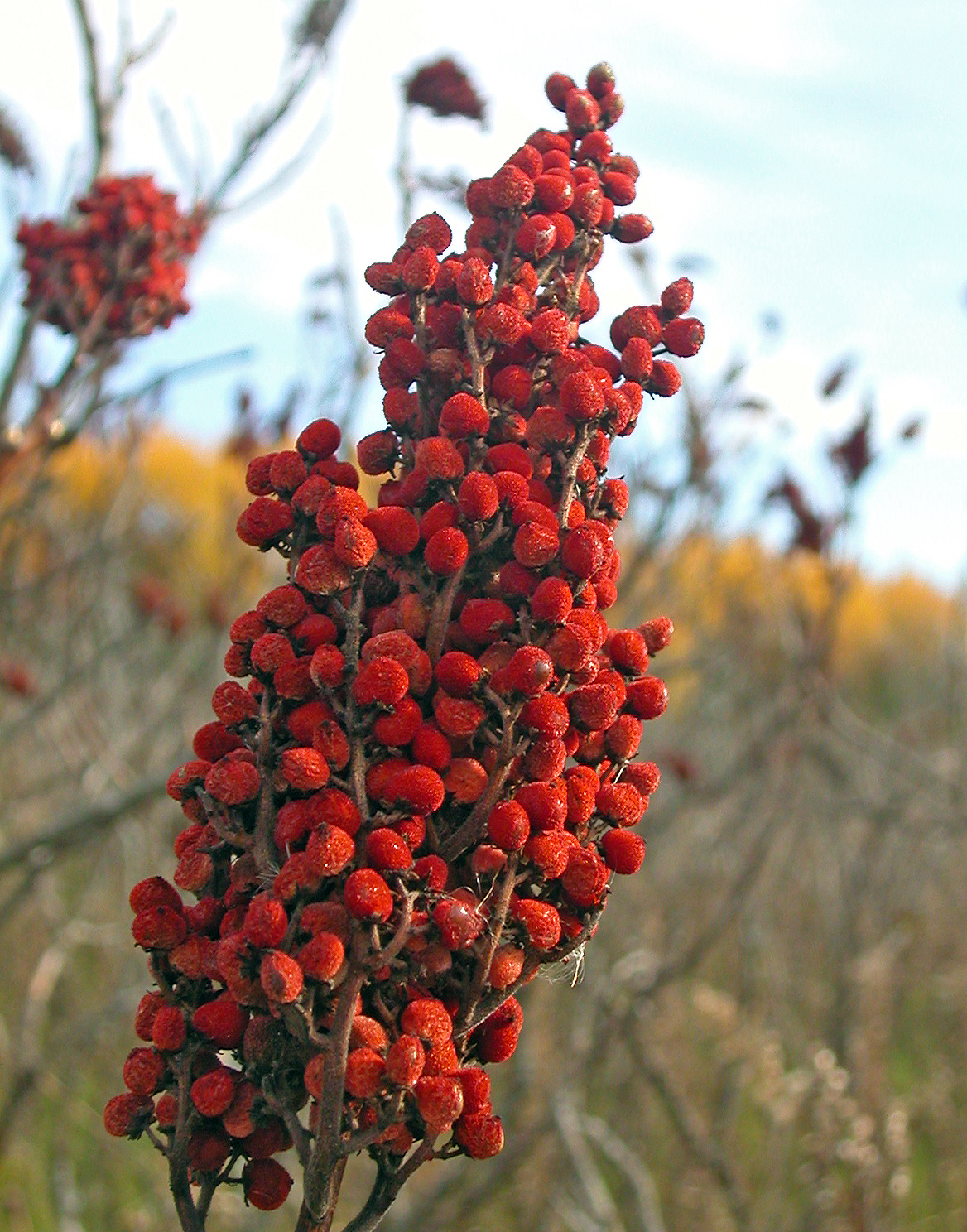
Sumac is a genus of flowering plants in the Anacardiaceae family, comprising around 35 species, with Rhus coriaria being the most commonly used for culinary purposes. Native to subtropical and temperate regions, sumac is highly valued in Arab cuisine and other Eastern cuisines for its unique flavor and aroma. Beyond its culinary applications, sumac has been used as a dye and in traditional medicine, and holds significant cultural importance in Persian traditions, particularly during the Nowruz celebrations. With its rich history, diverse uses, and cultural significance, sumac has become an integral part of many societies around the world. The plant's adaptability and hardiness have allowed it to thrive in various environments, making it a popular choice for gardeners and chefs alike. As a symbol of renewal and prosperity, sumac continues to play a vital role in many cultural and culinary contexts. Its unique properties and uses have also sparked interest in the scientific community, with ongoing research into its potential health benefits and industrial applications. With a history spanning thousands of years, sumac remains a fascinating and multifaceted plant, deserving of further exploration and appreciation.
🌿 Origins & History
Sumac has a rich and diverse history, with evidence of its use dating back to ancient civilizations in the Middle East and Mediterranean regions. The plant was highly valued for its culinary, medicinal, and cultural significance, with various species being used in different contexts. For example, the ancient Greeks and Romans used sumac as a spice and dye, while in traditional Persian medicine, sumac was used to treat a range of ailments, from fever to digestive issues. Today, sumac is still an essential ingredient in many Middle Eastern and Mediterranean dishes, with its unique flavor and aroma adding depth and complexity to a variety of recipes. Arab cuisine and Persian cuisine are two examples of culinary traditions that heavily rely on sumac, with dishes like kebabs, stews, and salads often featuring the spice as a key ingredient. The use of sumac in these cuisines has been influenced by the work of chefs like Jamie Oliver and Yotam Ottolenghi, who have featured sumac in their recipes and cookbooks.
🍲 How It Works
The process of harvesting and processing sumac is labor-intensive and requires great care, as the plant's berries are highly sensitive to moisture and heat. The berries are typically harvested in late summer or early fall, and then dried to preserve their flavor and aroma. The dried berries can be used whole, or ground into a fine powder, which is often used as a spice or seasoning. In addition to its culinary uses, sumac has been used as a natural dye, with the plant's berries producing a range of colors, from yellow to purple. Natural dye enthusiasts often use sumac to create unique and sustainable textiles, with the plant's berries providing a versatile and eco-friendly alternative to synthetic dyes. Companies like Patagonia and Reformation have incorporated natural dyes, including sumac, into their production processes, highlighting the growing interest in sustainable fashion.
📊 Key Facts & Numbers
Sumac is a genus of around 35 species, with Rhus coriaria being the most commonly used for culinary purposes. The plant is native to subtropical and temperate regions, and can be found growing wild in many parts of the world. Sumac is a relatively low-maintenance plant, requiring minimal care and attention, and can thrive in a variety of environments. The plant's adaptability and hardiness have made it a popular choice for gardeners and chefs alike, with many species being cultivated for their unique flavors and aromas. In terms of numbers, sumac is a significant crop, with thousands of tons being harvested and processed each year. The global sumac market is valued at millions of dollars, with the spice being traded and consumed in many parts of the world. Global sumac market trends and statistics provide valuable insights into the plant's economic and cultural significance. According to a report by Euromonitor, the global sumac market is expected to grow by 10% annually from 2020 to 2025, driven by increasing demand for natural and organic products.
👥 Key People & Organizations
Several key people and organizations have played a significant role in promoting and preserving the cultural and culinary heritage of sumac. For example, Slow Food movement has worked to preserve and promote the traditional uses of sumac, highlighting the plant's cultural and culinary significance. Middle Eastern cuisine experts, such as Yotam Ottolenghi, have also showcased the versatility and richness of sumac in their cookbooks and recipes. In addition, organizations like Chefs Collaborative have worked to promote sustainable and responsible food systems, including the use of sumac and other locally sourced ingredients.
🌍 Cultural Impact & Influence
Sumac has had a profound impact on the cultural and culinary heritage of many societies, particularly in the Middle East and Mediterranean regions. The plant has been used in traditional medicine, as a spice, and as a dye, and has played a significant role in shaping the cuisine and traditions of many cultures. In Persian culture, sumac is a symbol of renewal and prosperity, and is often featured on the Haft-sin table during Nowruz celebrations. The plant's cultural significance extends beyond its culinary uses, with sumac being used in traditional rituals and ceremonies, such as weddings and harvest festivals. Nowruz celebrations, for example, often feature sumac as a key ingredient in traditional dishes and decorations. The use of sumac in these celebrations has been influenced by the work of cultural organizations like Persian Heritage Foundation, which aims to promote and preserve Persian culture and traditions.
⚡ Current State & Latest Developments
Today, sumac is still an essential ingredient in many Middle Eastern and Mediterranean dishes, with its unique flavor and aroma adding depth and complexity to a variety of recipes. The plant's cultural significance extends beyond its culinary uses, with sumac being used in traditional rituals and ceremonies, such as weddings and harvest festivals. In recent years, sumac has gained popularity in Western cuisine, with many chefs and food enthusiasts discovering the spice's unique flavor and aroma. Western cuisine has been influenced by the growing interest in Middle Eastern and Mediterranean flavors, with sumac being a key ingredient in many modern recipes. According to a report by Food Trend Magazine, sumac is one of the top 10 most popular spices in the United States, with sales increasing by 20% annually from 2015 to 2020.
🤔 Controversies & Debates
Despite its many benefits and uses, sumac has been the subject of some controversy and debate. Some species of sumac, such as poison sumac, can be toxic and cause skin irritation, while others have been linked to allergic reactions and digestive issues. Additionally, the harvesting and processing of sumac can have environmental impacts, such as deforestation and water pollution. Poison sumac is a highly toxic species that can cause severe skin irritation and allergic reactions, highlighting the need for careful handling and identification of sumac species. Organizations like Environmental Working Group have raised concerns about the environmental impacts of sumac harvesting and processing, and have called for more sustainable and responsible practices.
🔮 Future Outlook & Predictions
Looking to the future, sumac is likely to continue to play a significant role in many culinary and cultural contexts. As interest in Middle Eastern and Mediterranean cuisine continues to grow, sumac is likely to become an increasingly popular ingredient in many parts of the world. Additionally, research into the plant's potential health benefits and industrial applications is ongoing, with sumac being explored as a natural remedy for a range of ailments, from digestive issues to skin conditions. Sumac research is a growing field, with scientists and experts working to unlock the plant's full potential and promote its sustainable use. According to a report by National Institutes of Health, sumac has been shown to have anti-inflammatory and antioxidant properties, making it a promising ingredient for the development of new medicines and therapies.
💡 Practical Applications
Sumac has a range of practical applications, from cooking and medicine to dyeing and crafting. The plant's unique flavor and aroma make it a popular ingredient in many recipes, while its medicinal properties have been used to treat a range of ailments. Additionally, sumac can be used as a natural dye, with the plant's berries producing a range of colors, from yellow to purple. Natural remedies often feature sumac as a key ingredient, with the plant's berries and leaves being used to treat a range of health issues. Companies like The Body Shop and Lush have incorporated natural ingredients, including sumac, into their products, highlighting the growing interest in sustainable and natural cosmetics.
Key Facts
- Year
- 2010
- Origin
- Middle East and Mediterranean regions
- Category
- education-sponsors
- Type
- topic
Frequently Asked Questions
What is sumac?
Sumac is a genus of flowering plants in the Anacardiaceae family, comprising around 35 species. The plant is native to subtropical and temperate regions, and is highly valued for its unique flavor and aroma. Sumac is used as a spice, dye, and holistic remedy, and has deep cultural roots in Middle Eastern and Mediterranean cuisine. The plant's berries are typically harvested in late summer or early fall, and then dried to preserve their flavor and aroma. According to a report by Food and Agriculture Organization, sumac is a significant crop in many countries, with thousands of tons being harvested and processed each year.
What are the health benefits of sumac?
Sumac has been used in traditional medicine for its potential health benefits, including reducing inflammation, improving digestion, and treating skin conditions. The plant's berries contain a range of bioactive compounds, including flavonoids, phenolic acids, and terpenes, which have been shown to have antioxidant, anti-inflammatory, and antimicrobial properties. However, more research is needed to fully understand the health benefits and risks of sumac. Sumac research is ongoing, with scientists and experts working to unlock the plant's full potential and promote its sustainable use. According to a study published in Journal of Ethnopharmacology, sumac has been shown to have anti-inflammatory and antioxidant properties, making it a promising ingredient for the development of new medicines and therapies.
How is sumac used in cooking?
Sumac is a versatile spice that can be used in a range of dishes, from meats and stews to salads and vegetables. The plant's unique flavor and aroma make it a popular ingredient in Middle Eastern and Mediterranean cuisine, with dishes like kebabs, stews, and salads often featuring sumac as a key ingredient. Sumac can be used whole, or ground into a fine powder, which is often used as a spice or seasoning. Middle Eastern cuisine and Mediterranean cuisine are two examples of culinary traditions that heavily rely on sumac. To use sumac in your cooking, simply add it to your recipe as you would any other spice or seasoning, and adjust to taste. According to a recipe by Epicurious, sumac can be used to add flavor to dishes like grilled meats, stews, and salads.
What is the cultural significance of sumac?
Sumac has deep cultural roots in Middle Eastern and Mediterranean cuisine, and is often used as a symbol of renewal and prosperity in Persian culture. The plant's cultural significance extends beyond its culinary uses, with sumac being used in traditional rituals and ceremonies, such as weddings and harvest festivals. Nowruz celebrations, for example, often feature sumac as a key ingredient in traditional dishes and decorations. Sumac is also a popular ingredient in many other cultural contexts, including Arab cuisine and Turkish cuisine. According to a report by Cultural Heritage Foundation, sumac is an important part of the cultural heritage of many countries, with its use and significance being passed down through generations.
How is sumac harvested and processed?
Sumac is typically harvested in late summer or early fall, when the plant's berries are ripe and ready to be picked. The berries are then dried to preserve their flavor and aroma, and can be used whole, or ground into a fine powder. The harvesting and processing of sumac can have environmental impacts, such as deforestation and water pollution, and it is essential to ensure that sumac is sourced sustainably and responsibly. Sustainable agriculture practices are essential for promoting the long-term health and viability of sumac crops. According to a report by World Wildlife Fund, sustainable agriculture practices can help reduce the environmental impacts of sumac harvesting and processing, while also promoting the conservation of biodiversity.
What are the potential risks of sumac?
While sumac is generally considered safe to use, there are some potential risks and side effects to be aware of. Some species of sumac, such as poison sumac, can be toxic and cause skin irritation, while others have been linked to allergic reactions and digestive issues. Additionally, the harvesting and processing of sumac can have environmental impacts, such as deforestation and water pollution. Poison sumac is a highly toxic species that can cause severe skin irritation and allergic reactions, highlighting the need for careful handling and identification of sumac species. According to a report by Environmental Protection Agency, the environmental impacts of sumac harvesting and processing can be mitigated through the use of sustainable agriculture practices and responsible sourcing.
How can I use sumac in my cooking?
Sumac is a versatile spice that can be used in a range of dishes, from meats and stews to salads and vegetables. The plant's unique flavor and aroma make it a popular ingredient in Middle Eastern and Mediterranean cuisine, with dishes like kebabs, stews, and salads often featuring sumac as a key ingredient. Sumac can be used whole, or ground into a fine powder, which is often used as a spice or seasoning. Middle Eastern cuisine and Mediterranean cuisine are two examples of culinary traditions that heavily rely on sumac. To use sumac in your cooking, simply add it to your recipe as you would any other spice or seasoning, and adjust to taste. According to a recipe by Food Network, sumac can be used to add flavor to dishes like grilled meats, stews, and salads.
What is the future outlook for sumac?
Sumac is likely to continue to play a significant role in many culinary and cultural contexts, with its unique flavor and aroma making it a popular ingredient in many parts of the world. As interest in Middle Eastern and Mediterranean cuisine continues to grow, sumac is likely to become an increasingly popular ingredient in many recipes. Additionally, research into the plant's potential health benefits and industrial applications is ongoing, with sumac being explored as a natural remedy for a range of ailments, from digestive issues to skin conditions. Sumac research is a growing field, with scientists and experts working to unlock the plant's full potential and promote its sustainable use. According to a report by Market Research Firm, the global sumac market is expected to grow by 10% annually from 2020 to 2025, driven by increasing demand for natural and organic products.