
Contents
Overview
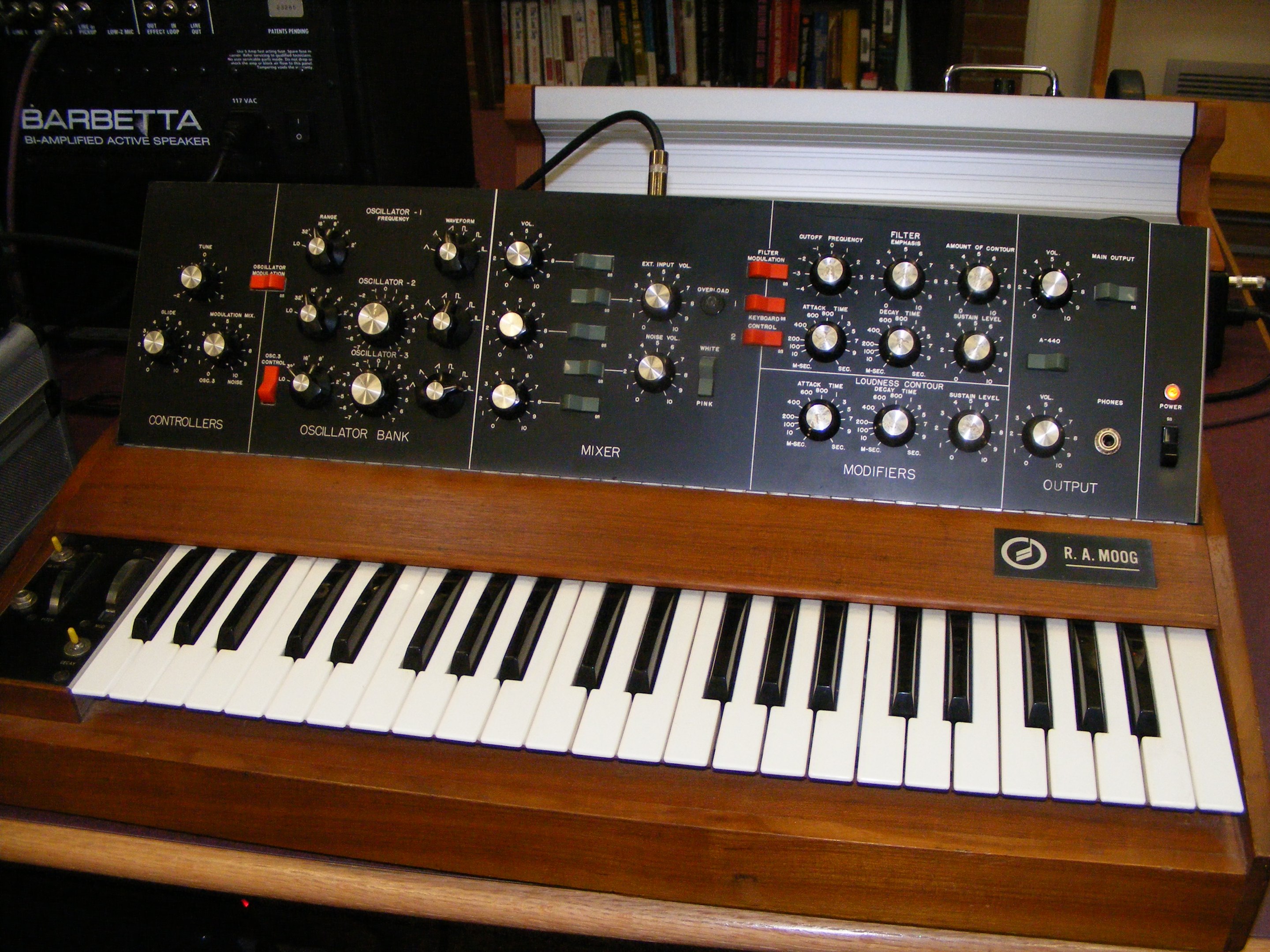
A synthesizer is an electronic musical instrument that generates audio signals, creating a wide range of sounds through various methods, including subtractive synthesis, additive synthesis, and frequency modulation synthesis. With their versatility and expressiveness, synthesizers continue to inspire new generations of musicians and music enthusiasts, with notable examples including the Roland Jupiter and the Yamaha DX7. Today, synthesizers are played with keyboards or controlled by sequencers, software, or other instruments, and can be synchronized to other equipment via MIDI, making them an essential tool for musicians, producers, and sound designers.
🎵 Origins & History
Synthesizers have evolved to become a crucial component in modern music production, offering unparalleled creative possibilities. For example, the Korg MS-20 synthesizer features a semi-modular design, allowing users to patch and customize their sounds, while the Nord Lead synthesizer offers a range of preset sounds and effects. The development of modular synthesizers, such as the Eurorack format, has allowed musicians to customize and expand their synthesizer setups.
⚙️ How It Works
A synthesizer works by generating waveforms through various methods, including subtractive synthesis, additive synthesis, and frequency modulation synthesis. These sounds can be altered by components such as filters, which cut or boost frequencies; envelopes, which control articulation, or how notes begin and end; and low-frequency oscillators, which modulate parameters such as pitch, volume, or filter characteristics affecting timbre. Synthesizers can be played with keyboards or controlled by sequencers, software, or other instruments, and can be synchronized to other equipment via MIDI.
📊 Key Facts & Numbers
Some key facts and numbers about synthesizers include: the Roland Jupiter-8 is a highly sought-after synthesizer among collectors and musicians. The Yamaha DX7 was one of the first commercially successful digital synthesizers. The Ableton Live software features a range of built-in synthesizers and effects, while the Serum plugin offers a powerful and flexible wavetable synthesizer.
👥 Key People & Organizations
The Moogfest festival celebrates the music and legacy of synthesizers. The festival features performances by artists such as Thurston Moore and Four Tet.
🌍 Cultural Impact & Influence
The Star Wars franchise has featured extensive use of synthesizers in its soundtracks. The Blade Runner soundtrack, composed by Vangelis, is a classic example of synthesizer-based film scoring. The Daft Punk live show features extensive use of synthesizers, while the Justice live show features a range of synthesizers and drum machines.
⚡ Current State & Latest Developments
The current state of synthesizers is one of continued innovation and evolution. New technologies and materials are being developed, allowing for more advanced and sophisticated synthesizers. The rise of software synthesizers has also made it possible for musicians and producers to create high-quality sounds without the need for hardware.
🤔 Controversies & Debates
There are several controversies and debates surrounding synthesizers, including the issue of authenticity and the role of technology in music creation. Some argue that synthesizers are a vital part of modern music, and that they offer a unique and powerful means of creative expression.
🔮 Future Outlook & Predictions
The future of synthesizers is likely to be shaped by advances in technology and changes in musical trends. As new technologies emerge, we can expect to see even more advanced and sophisticated synthesizers.
💡 Practical Applications
Synthesizers have a wide range of practical applications, from music production and performance to sound design and film scoring. They are used by musicians, producers, and sound designers to create a wide range of sounds and textures, and are an essential tool for many professionals in the music and film industries.
Key Facts
- Category
- tech-sponsors
- Type
- topic