
Contents
Overview
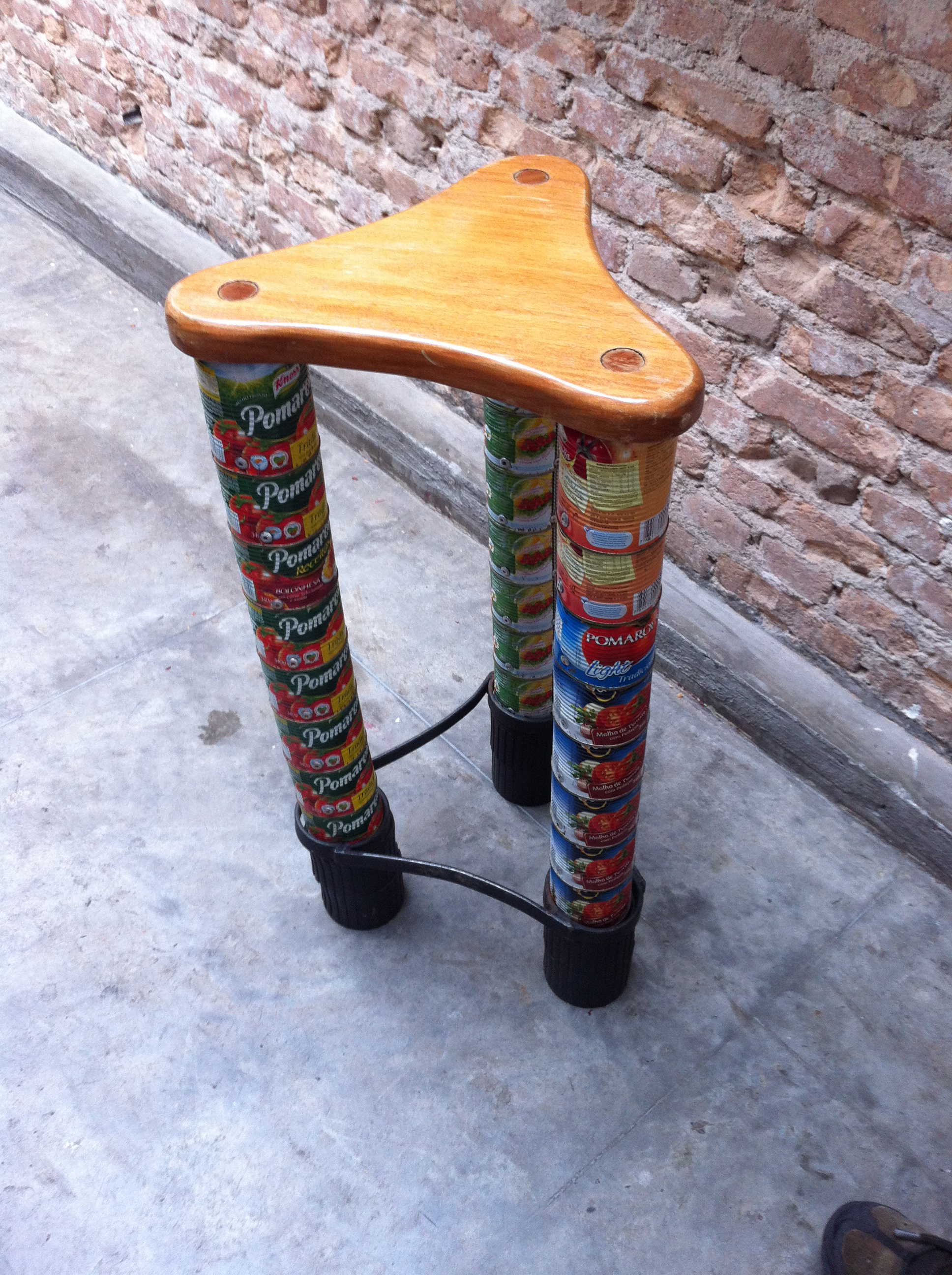
Upcycling, also known as creative reuse, is the process of transforming by-products, waste materials, useless, or unwanted products into new materials or products perceived to be of greater quality, such as artistic value or environmental value. This approach to waste management has gained significant attention in recent years due to its potential to reduce waste, conserve resources, and promote sustainability. According to the Ellen MacArthur Foundation, upcycling can play a crucial role in achieving sustainability. The Ellen MacArthur Foundation has launched the New Plastics Economy initiative, which aims to reduce plastic waste and promote upcycling in the plastics industry. The European Union has implemented policies to promote upcycling and recycling, such as the Waste Framework Directive. The China National Governance has launched the Ecological Civilization initiative, which aims to promote sustainable development and upcycling in China.
🎨 Origins & History
Gunter Pauli is often referred to as the 'father of upcycling'. The upcycling process involves collecting and sorting waste materials, designing and creating new products, and marketing and selling the finished goods. This approach to waste management requires a high degree of creativity and innovation, as well as a deep understanding of the materials and their potential uses. Upcycling can be applied to a wide range of materials, including textiles, plastics, metals, and paper products. Companies like H&M and Levi's have launched upcycling initiatives, such as garment collection programs and recycling facilities, to reduce their environmental footprint.
⚙️ How It Works
The upcycling process involves collecting and sorting waste materials, designing and creating new products, and marketing and selling the finished goods. Organizations like the Ellen MacArthur Foundation are working to promote upcycling and circular economy practices through research, education, and advocacy. For instance, the Circular Economy Innovation Partnership has been established to support the development of new circular economy business models and upcycling technologies.
📊 Key Facts & Numbers
Key people and organizations involved in upcycling include Gunter Pauli, who is often referred to as the 'father of upcycling'; William McDonough, a renowned architect and designer who has written extensively on sustainable design and upcycling; and Craig Venter, a biologist and entrepreneur who has developed innovative approaches to upcycling and biotechnology. Organizations such as the Ellen MacArthur Foundation are also playing a crucial role in promoting upcycling and sustainable consumption.
👥 Key People & Organizations
Upcycling has had a significant cultural impact, inspiring a new generation of artists, designers, and entrepreneurs to rethink their relationship with waste and consumption. The movement has also influenced the development of new technologies and materials, such as bioplastics and recycled textiles. The largest share of the upcycling market is accounted for by the fashion industry.
🌍 Cultural Impact & Influence
The current state of upcycling is characterized by a growing awareness of the importance of sustainable consumption and waste reduction. Governments, businesses, and individuals are increasingly recognizing the potential of upcycling to address some of the world's most pressing environmental challenges.
⚡ Current State & Latest Developments
Despite the many benefits of upcycling, there are also controversies and debates surrounding the practice. Some critics argue that upcycling can perpetuate a 'greenwashing' effect, where companies use upcycling as a marketing tool to promote their brand, without actually reducing their environmental impact. Others argue that upcycling can be a form of 'gentrification', where wealthy individuals and companies profit from the creative reuse of waste materials, without providing adequate compensation or recognition to the original creators.
🤔 Controversies & Debates
Looking to the future, upcycling is likely to play an increasingly important role in addressing the world's environmental challenges. As consumers become more aware of the impact of their purchasing decisions, companies will be forced to adapt and innovate, using upcycling and other sustainable practices to reduce their waste and environmental footprint.
🔮 Future Outlook & Predictions
Upcycling has a wide range of practical applications, from fashion and design to architecture and engineering. Companies and individuals can use upcycling to reduce their waste and environmental footprint. Upcycling can create new job opportunities and stimulate local economies.
Key Facts
- Category
- education-sponsors
- Type
- topic