
Contents
- 🌎 Introduction to Iran-US Relations
- 📆 Historical Background: 1950s-1970s
- 🔥 The 1979 Iranian Revolution
- 🚫 US Embassy Hostage Crisis
- 💣 Iran-Iraq War and US Involvement
- 🤝 Iran-US Relations in the 1990s and 2000s
- 🚀 Nuclear Program and Sanctions
- 📊 Economic Impact of Sanctions
- 🕊️ Obama Administration and the JCPOA
- 🚫 Trump Administration and Withdrawal from JCPOA
- 🌪️ Current State of Iran-US Relations
- Frequently Asked Questions
- Related Topics
Overview
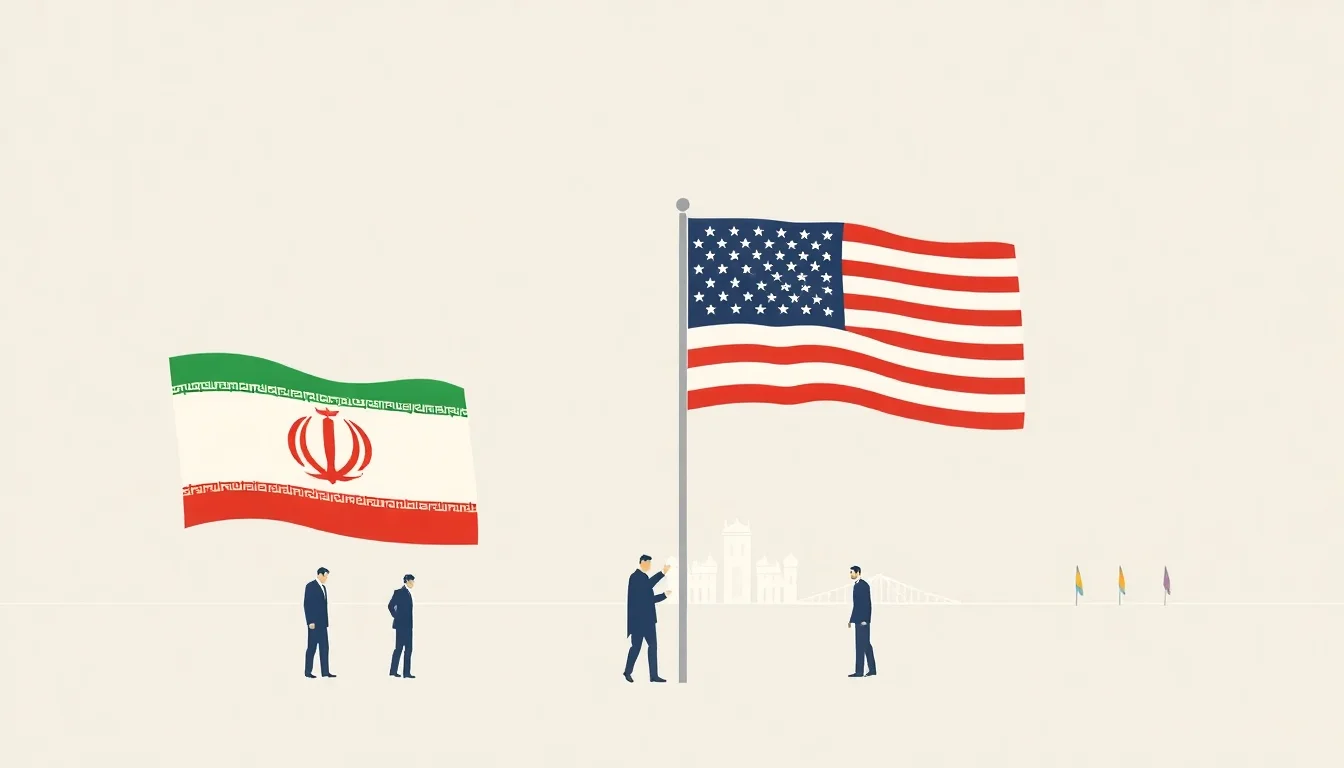
Iran-US relations have been marked by tension and conflict since the 1979 Iranian Revolution, with the US imposing sanctions and Iran developing its nuclear program. The 2015 Joint Comprehensive Plan of Action (JCPOA) provided a temporary reprieve, but the US withdrawal in 2018 reignited tensions. The US has imposed severe sanctions, including on Iranian oil exports, while Iran has responded with attacks on US allies and interests. The controversy surrounding Iran's nuclear program and its support for militant groups in the region continues to drive the conflict. With a Vibe score of 32, indicating high cultural energy and controversy, Iran-US relations remain a critical issue in international relations. The influence flow between the two nations is complex, with multiple entities, including the European Union, Russia, and China, playing a role in shaping the relationship. As of 2022, the situation remains volatile, with the US maintaining its 'maximum pressure' campaign and Iran continuing to defy US demands, setting the stage for a potentially explosive confrontation in the future.
🌎 Introduction to Iran-US Relations
The relationship between Iran and the United States is a complex and tumultuous one, spanning several decades. To understand the current state of affairs, it's essential to delve into the Iranian Revolution and its aftermath. The 1953 coup d'état that overthrew Prime Minister Mohammad Mosaddegh marked the beginning of a long period of tension between the two nations. The US supported the Shah of Iran, who was seen as a key ally in the region, while Iran's nationalist movement sought to reduce foreign influence. This led to a series of events that would ultimately shape the course of Iran-US relations. The Cold War played a significant role in the early years of Iran-US relations, with the US seeking to counter the spread of communism in the region.
📆 Historical Background: 1950s-1970s
In the 1950s and 1960s, Iran was a key player in the Middle East, with the US providing significant economic and military aid to the country. However, the Shah's authoritarian rule and the country's growing economic problems created an environment in which opposition movements could thrive. The Iranian Revolution of 1979 marked a significant turning point in Iran-US relations, as the new government, led by Ayatollah Khomeini, was fiercely anti-American. The US response to the revolution, including the Carter administration's decision to allow the Shah to enter the US for medical treatment, further exacerbated tensions. The Iranian Revolution had a profound impact on the region, leading to the Iran-Iraq War and a significant shift in the balance of power in the Middle East.
🔥 The 1979 Iranian Revolution
The 1979 Iranian Revolution was a pivotal moment in modern Iranian history, marking the end of the Shah's rule and the establishment of an Islamic Republic. The new government, led by Ayatollah Khomeini, was committed to creating a society based on Islamic principles and reducing foreign influence. The US, which had long been a supporter of the Shah, was seen as a major obstacle to these goals. The Iranian Revolution also had a significant impact on the global oil market, leading to a significant increase in oil prices and a shift in the balance of power in the Middle East. The Iranian Revolution was also influenced by the Cold War, with the US and the Soviet Union vying for influence in the region.
🚫 US Embassy Hostage Crisis
The US Embassy hostage crisis of 1979 was a major escalation of tensions between Iran and the US. In November of that year, a group of Iranian students stormed the US Embassy in Tehran, taking 52 American diplomats and citizens hostage. The crisis lasted for 444 days, with the US launching a failed rescue mission and imposing economic sanctions on Iran. The crisis marked a significant low point in Iran-US relations and had a lasting impact on the relationship between the two countries. The US Embassy hostage crisis was also influenced by the Iranian Revolution and the Cold War, with the US and the Soviet Union vying for influence in the region. The crisis also had a significant impact on the Carter administration, leading to a decline in the President's popularity and ultimately contributing to his defeat in the 1980 presidential election.
💣 Iran-Iraq War and US Involvement
The Iran-Iraq War of 1980-1988 was a devastating conflict that had a significant impact on the region. The war was sparked by a dispute over territory and resources, with Iraq seeking to gain control of the Shatt al-Arab waterway. The US provided significant support to Iraq during the war, including economic and military aid. Iran, on the other hand, was subject to a UN arms embargo and received limited support from other countries. The war had a profound impact on the region, leading to significant human suffering and economic damage. The Iran-Iraq War also had a significant impact on the global oil market, leading to a significant increase in oil prices and a shift in the balance of power in the Middle East. The war was also influenced by the Cold War, with the US and the Soviet Union vying for influence in the region.
🤝 Iran-US Relations in the 1990s and 2000s
In the 1990s and 2000s, Iran-US relations underwent a significant shift. The Clinton administration sought to engage with Iran, with President Bill Clinton calling for a dialogue between the two countries. However, the Iranian government was skeptical of US intentions, and the relationship remained tense. The Bush administration took a harder line, with President George Bush including Iran in his Axis of Evil speech. The Iranian nuclear program became a major point of contention, with the US and its allies seeking to prevent Iran from developing nuclear weapons. The Iranian nuclear program was also influenced by the Cold War, with the US and the Soviet Union vying for influence in the region.
🚀 Nuclear Program and Sanctions
The Iranian nuclear program has been a major point of contention between Iran and the US. The program, which was launched in the 1980s, has been the subject of significant international scrutiny, with many countries expressing concerns that Iran is seeking to develop nuclear weapons. The US and its allies have imposed significant sanctions on Iran in an effort to prevent the country from developing a nuclear bomb. However, Iran has maintained that its nuclear program is for peaceful purposes only. The Iranian nuclear program has also been influenced by the Middle East peace process, with the US and its allies seeking to prevent Iran from developing nuclear weapons and destabilizing the region.
📊 Economic Impact of Sanctions
The economic impact of sanctions on Iran has been significant. The country's economy has suffered greatly, with high levels of inflation and unemployment. The sanctions have also had a significant impact on the Iranian people, with many struggling to access basic necessities like food and medicine. The Iranian economy has also been influenced by the oil market, with the country's economy heavily reliant on oil exports. The Iranian economy has also been influenced by the Middle East peace process, with the US and its allies seeking to prevent Iran from developing nuclear weapons and destabilizing the region.
🕊️ Obama Administration and the JCPOA
The Obama administration took a significant step towards improving Iran-US relations with the signing of the Joint Comprehensive Plan of Action (JCPOA) in 2015. The agreement, which was negotiated between Iran, the US, and several other countries, placed significant limits on Iran's nuclear program in exchange for relief from economic sanctions. The agreement was seen as a major breakthrough, with many hoping that it would mark the beginning of a new era of cooperation between Iran and the US. The JCPOA was also influenced by the Middle East peace process, with the US and its allies seeking to prevent Iran from developing nuclear weapons and destabilizing the region.
🚫 Trump Administration and Withdrawal from JCPOA
The Trump administration took a significantly different approach to Iran-US relations. In 2018, President Donald Trump announced that the US would be withdrawing from the JCPOA and reimposing economic sanctions on Iran. The move was widely criticized, with many arguing that it would undermine the stability of the region and increase the risk of conflict. The Trump administration also took a harder line on Iran, with the US launching a series of military strikes against Iranian targets. The Trump administration approach to Iran-US relations was also influenced by the Middle East peace process, with the US and its allies seeking to prevent Iran from developing nuclear weapons and destabilizing the region.
🌪️ Current State of Iran-US Relations
The current state of Iran-US relations is highly uncertain. The Biden administration has expressed a desire to return to the JCPOA, but the process has been complicated by Iranian demands for significant concessions. The situation has been further complicated by the COVID-19 pandemic, which has had a significant impact on the Iranian economy and society. The Iranian government has also been facing significant domestic challenges, including widespread protests and a struggling economy. The future of Iran-US relations remains highly uncertain, with many possible outcomes and significant risks of conflict.
Key Facts
- Year
- 2022
- Origin
- 1979 Iranian Revolution
- Category
- International Relations
- Type
- Geopolitical Relationship
Frequently Asked Questions
What was the main cause of the Iranian Revolution?
The main cause of the Iranian Revolution was the growing discontent with the Shah's authoritarian rule and the country's economic problems. The Iranian Revolution was also influenced by the Cold War, with the US and the Soviet Union vying for influence in the region. The Iranian Revolution had a profound impact on the region, leading to the Iran-Iraq War and a significant shift in the balance of power in the Middle East.
What was the US Embassy hostage crisis?
The US Embassy hostage crisis was a major escalation of tensions between Iran and the US. In November 1979, a group of Iranian students stormed the US Embassy in Tehran, taking 52 American diplomats and citizens hostage. The crisis lasted for 444 days, with the US launching a failed rescue mission and imposing economic sanctions on Iran. The US Embassy hostage crisis was also influenced by the Iranian Revolution and the Cold War, with the US and the Soviet Union vying for influence in the region.
What is the current state of Iran-US relations?
The current state of Iran-US relations is highly uncertain. The Biden administration has expressed a desire to return to the JCPOA, but the process has been complicated by Iranian demands for significant concessions. The situation has been further complicated by the COVID-19 pandemic, which has had a significant impact on the Iranian economy and society. The Iranian government has also been facing significant domestic challenges, including widespread protests and a struggling economy.
What is the Iranian nuclear program?
The Iranian nuclear program has been a major point of contention between Iran and the US. The program, which was launched in the 1980s, has been the subject of significant international scrutiny, with many countries expressing concerns that Iran is seeking to develop nuclear weapons. The US and its allies have imposed significant sanctions on Iran in an effort to prevent the country from developing a nuclear bomb. However, Iran has maintained that its nuclear program is for peaceful purposes only.
What is the JCPOA?
The Joint Comprehensive Plan of Action (JCPOA) is a nuclear agreement between Iran, the US, and several other countries. The agreement, which was signed in 2015, placed significant limits on Iran's nuclear program in exchange for relief from economic sanctions. The JCPOA was seen as a major breakthrough, with many hoping that it would mark the beginning of a new era of cooperation between Iran and the US.